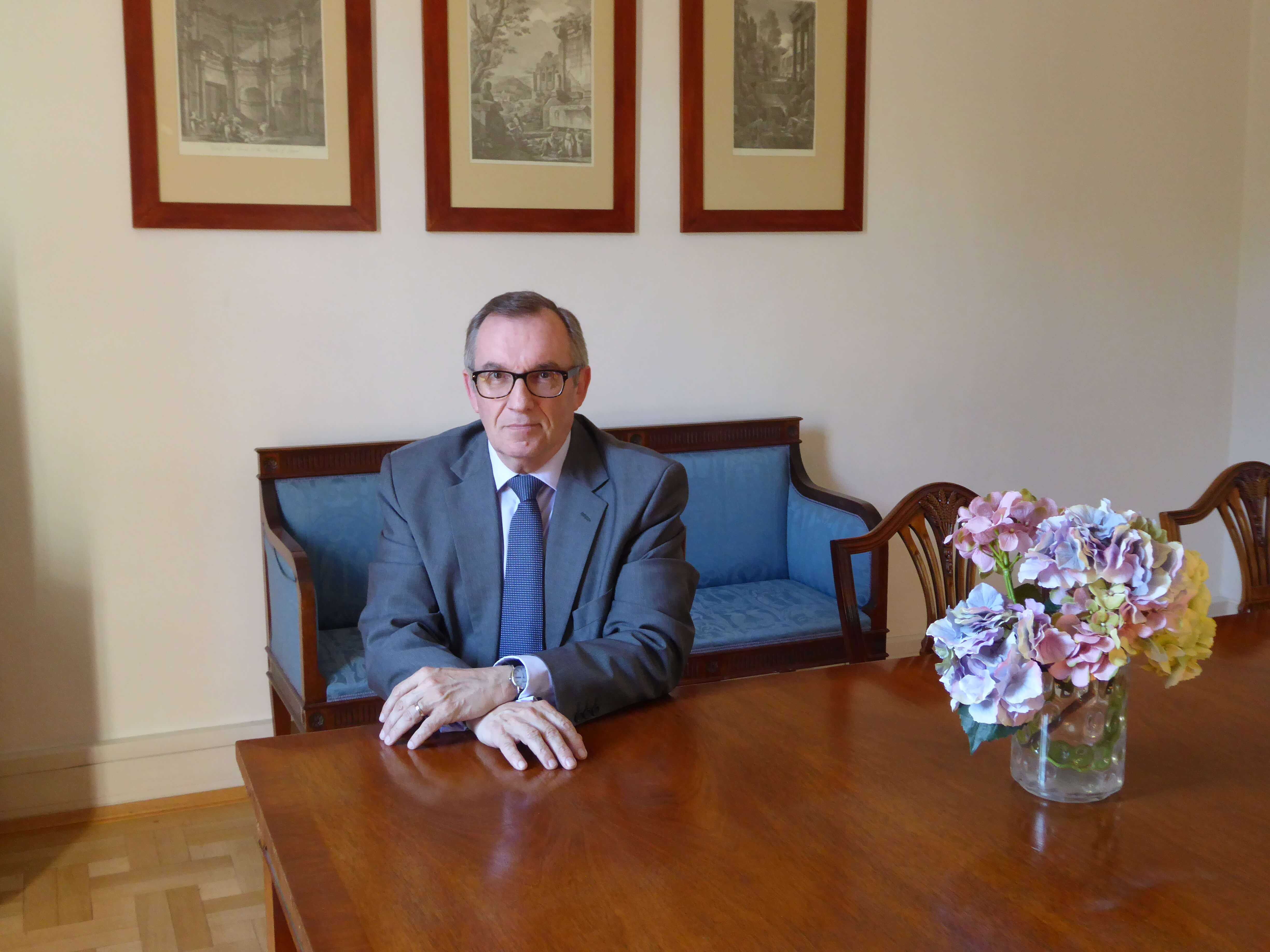
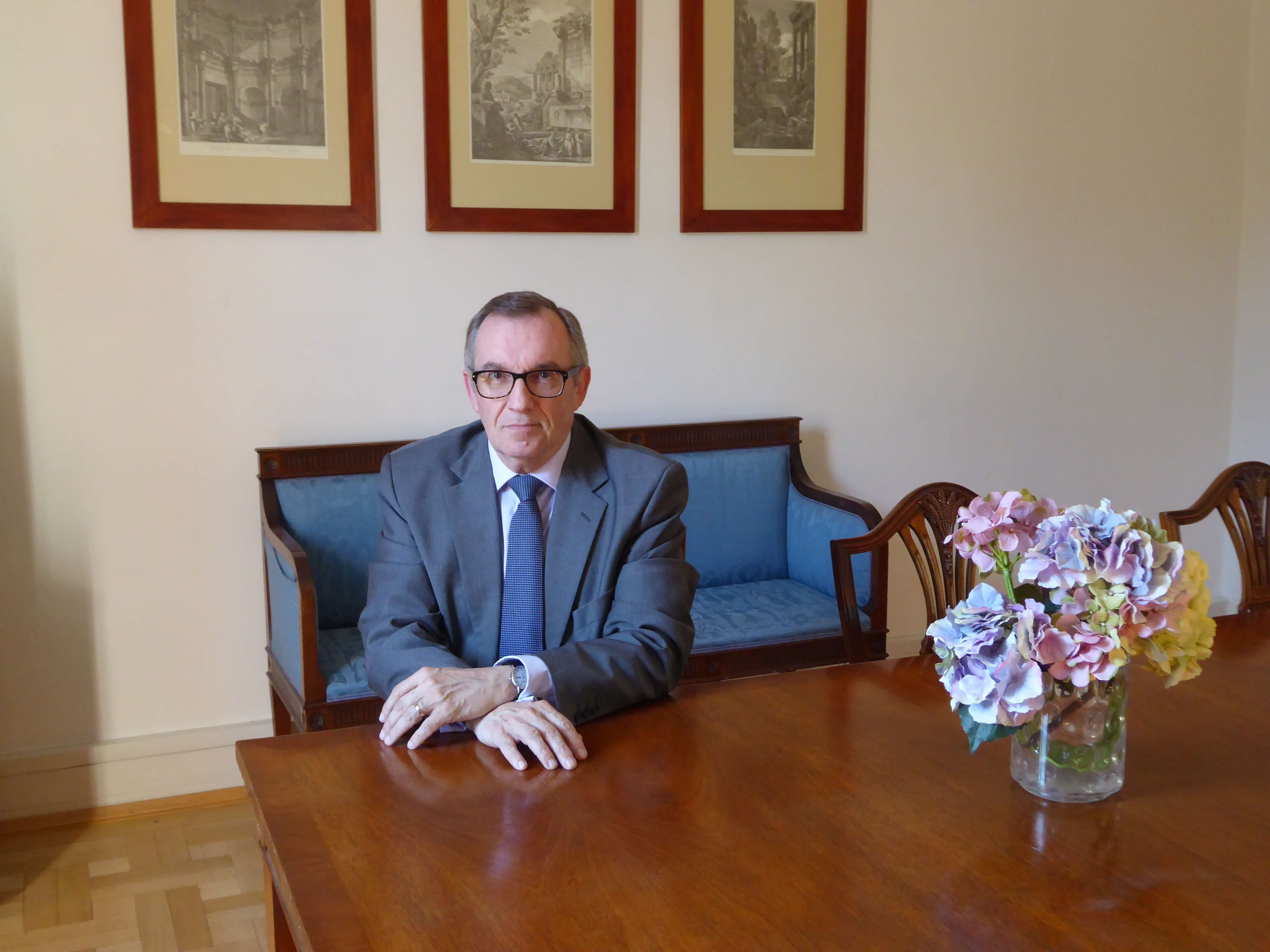
Libertas International University has been awarded with a new teacher at the International Relations and Diplomacy study programme. For this interview, Professor Grdešić shared with us his current experience and career knowledge and announced what he will teach and what the students can expect in his lectures. Also he shared his tips for those who are thinking of enrolling in the International Relations and Diplomacy study programme, but also he gave his own guidelines for graduates who enter the world of diplomacy.
1. Which courses do you teach and what knowledge does the subject bring to the students? Why are these courses important?
I am honored by the invitation of the Rector, professor Duško Pavlović and I am happy to join the Libertas teaching staff as a professor of the “Diplomacy” course at the third year of the undergraduate study programme of International Relations and the first year of the graduate study programme of International Relations and Diplomacy. Although my employment is part-time, there will be a lot of work since these are core courses and one of the courses that are fundamental to the formation of knowledge and the development of expected skills for future Masters of International Relations.
The “Diplomacy” course has a good combination of theoretical and practical topics and it is one of those courses that require a “historical-theoretical” background, but it remains boring if it does not deal with diplomatic reality. International relations in the overall profile of the study are one of the subjects that address the broader topics of international relations: theories, actors and organizations, methods and the history of international relations. My approach to this course is political, we will try to understand the factors, actors and processes in international relations from the perspective of political concepts of political power, decision-making and state interests.
2. What advice do you have for students enrolling or thinking about enrolling in the study programme of International Relations and Diplomacy? What could they bring to that programme?
The study programme of International Relations and Diplomacy is exactly what it’s name says, so students do not have to wonder what they will study and what they will be doing. If they are interested in the topics of the contemporary world, international relations, foreign policy, globalization, then they are in the right place. Of course, knowledge alone is nice, but young people have to shape their profession and future career, and I think Libertas gives a good combination of theoretical knowledge and applicable knowledge and skills. Today, everyone is talking about the importance of STEM science and professions, but the future of society can not be stored in the hands of mathematicians and physicists alone; someone has to worry and govern the relationships of people in communities, states and the global world. We see that states do not go away but gain their meaning, new technologies create new dangers and opportunities, and we need experts who will be able to understand the new world and give good answers to the challenges of the future. That’s why we need “socialists”.
3. What advice can you give to young graduates who have completed the study programme of International Relations and Diplomacy? Which obstacles could they encounter and how to overcome them?
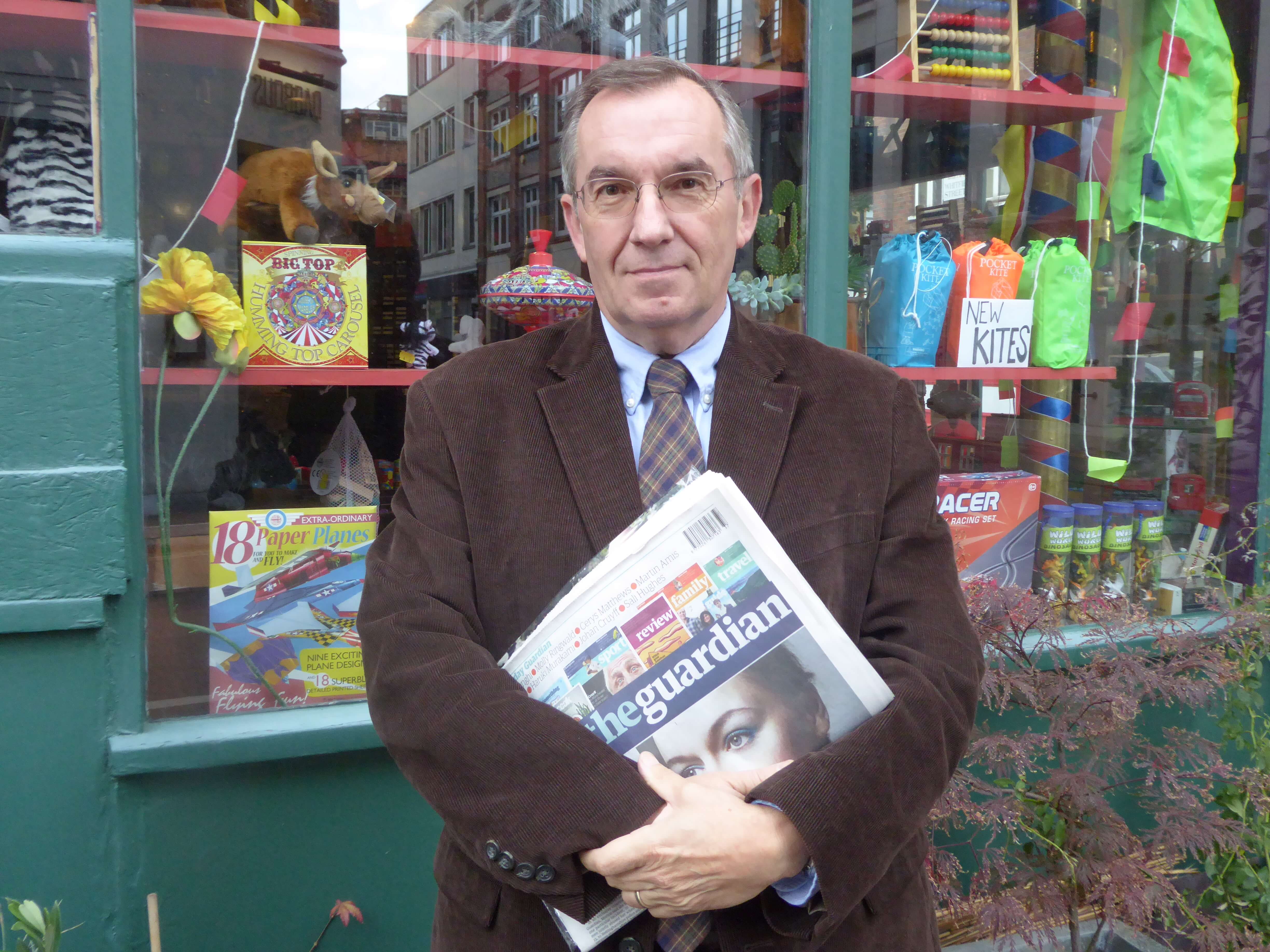
From my professorial and diplomatic experience, my advice to new graduates is not to give up their dreams, not to give up what they want to do, what delights and inspires them. So even when they encounter the resistance of the narrow-minded bosses, scared colleagues, bureaucrats from the adjoining office who think only or how to avoid thier tasks, let them not give up, endure, open opportunities and their contribution. Obstacles are most commonly associated with bureaucratic rules and hierarchies, they need to be understood because they have the purpose, but the task of young people is to always question and test them.
4. What knowledge and experience can you transfer to students? Where did you work, in what positions and in what countries?
My professorial, scientific and teaching calling is political science. I studied and taught at the Faculty of Political Science in Zagreb, the only and very good Faculty of Political Science in Croatia, and one of the first in Central and Eastern Europe. Much of my scientific development is owed to teaching and research studies in the United States, Fulbright scholarships at Indiana University, Bloomington, and Virginia Tech at Blacksburg. I spent two academic years in Bloomington and collaborated with Nobel Prize winner Professor Elinor Ostro. I taught American students what a new and useful experience was. They have no problem in questioning professorship with their questions and comments. Today, our students are much more free and expecting teachers not only to do their job properly, but to be a “partner in education” and not to consider students as “the necessity of evil” for their professorship. Study visits in America, numerous conferences, public performances were of great help during my later diplomatic activity.